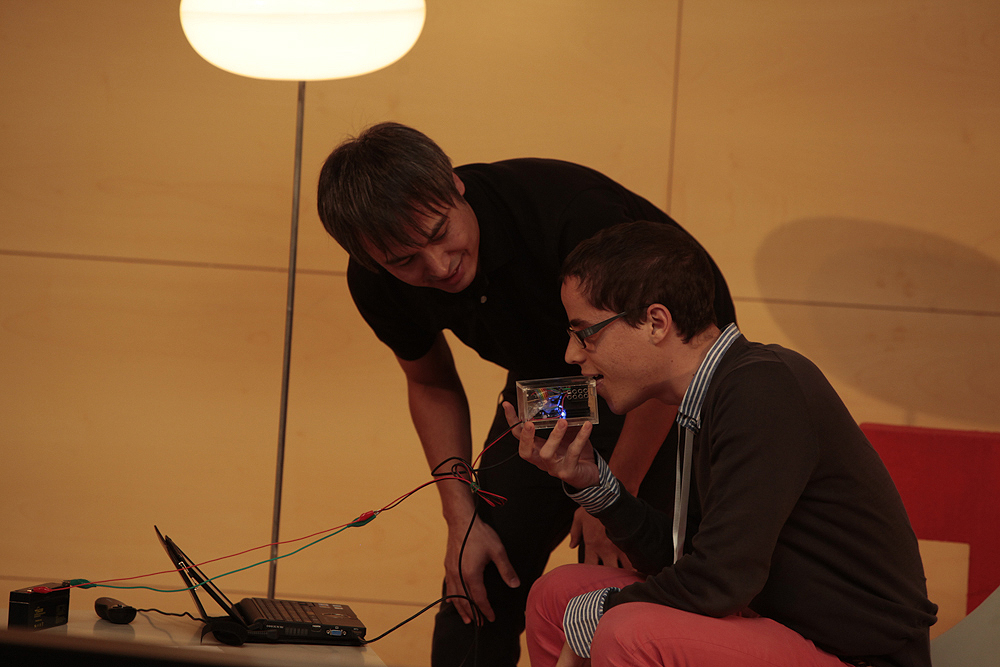
Live demo of electric taste machine on stage at TEDxBarcelona
posted in: Keynote Speeches and Talks, Research
Live demo of electric taste machine on stage at TEDxBarcelona


Live demo of electric taste machine on stage at TEDxBarcelona
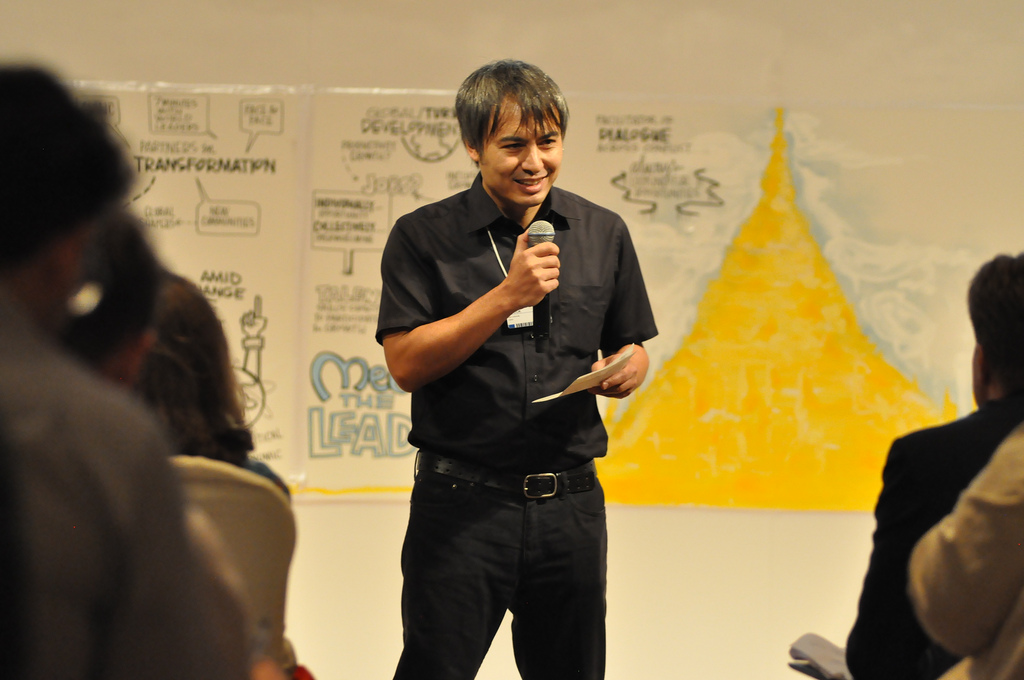
YGL Annual Summit 2013 by YGLvoices on Flickr.
Insight Blast at WEF Young Global Leaders Annual Summit, Myunmar
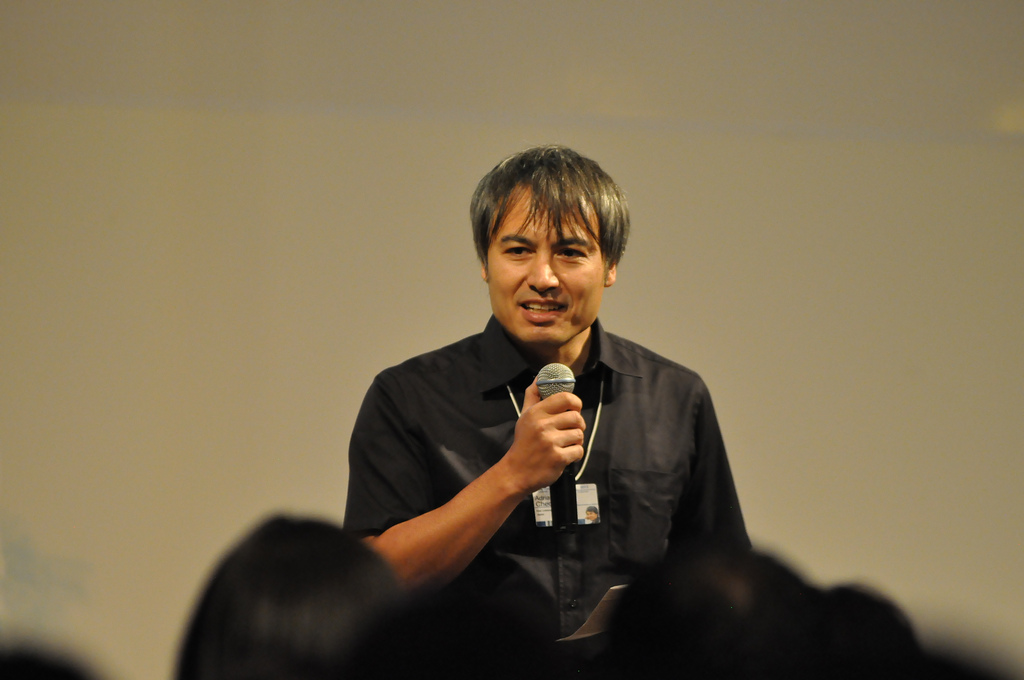
YGL Annual Summit 2013 (by YGLvoices) Insight Blast at WEF Young Global Leaders Annual Summit, Myunmar
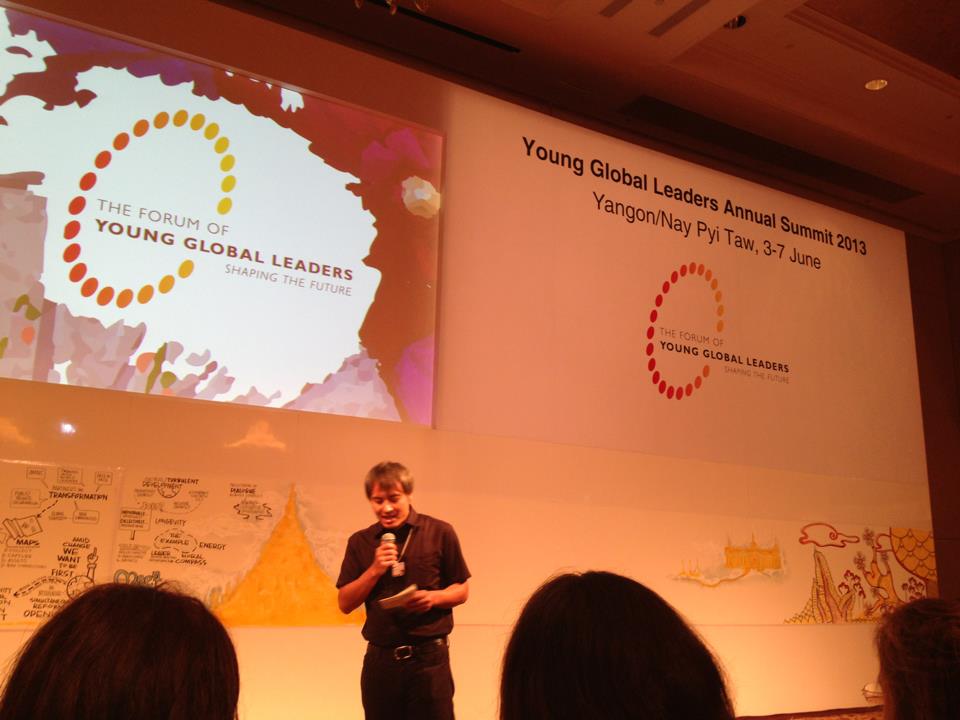
Adrian David Cheok – Insight Blast on the Future of Education: schools like computer games; learning by doing; digital creative process; kids using teamwork, imagination, problem-solving. Schools must adapt to the rapid change of hyperconnectivity. (At World Economic Forum Young Global Leaders Summit, Yangon/Nay Pyi Taw, Myanmar)
Although we are now in the age of the Internet, our schools are still stuck in the industrial age. As a result, the gap between our schools and reality is widening and could end in total disruption.
There is a clear link between our schools and the factories of the industrial age. In the production line system developed in the 19th and 20th centuries, each individual had to work at the pace of the industrial process, completing repetitive tasks, and was often banned from speaking.
The current school system is eerily similar. Students move along a linear progression of years, semesters and subjects. Every student studies at the same pace, receives grades and takes exams at the same time. If you excel at maths, you are likely to get bored. If you are bad at maths, you are likely to receive bad grades. No matter, everyone must move straight along the production line and repeat the same task over and over again to pass the exam. In class, you are not allowed to talk but must sit passively and let the teacher transfer information at a set speed.
It is not surprising that schools are modelled on the production line. Society, government and businesses needed manpower for the factories and companies of the industrial age. They set up systems that moulded workers into such manpower.
This model is archaic and unsuited for the Internet age, the age of knowledge. Firstly, we do not need factory workers – we need entrepreneurs, inventors, creative business people and designers. It is difficult to compete in global manufacturing. We can compete only in high value-added sectors such as new products, new services and creative industries.
Secondly, the Internet age allows us to discard the linear model. We have the tools and the ability to learn at our own pace. In fact, we can revive some educational practices of the pre-industrial age, such as the apprentice system. Each person keeps working on something until he or she masters it. A maths exam need not be set for the whole class on a specific day. Instead, students can be given continuous online mini tests. When they have mastered one topic, they move on to the next at their own pace.
The main obstacles to implementing such a new model are the inertia and conservatism of the education sector. However, just like every other industry, education is being disrupted and revolutionized by the Internet. Classes and lectures will go online. Students can view them at their own pace and be evaluated interactively.
Students will be much happier because they can study independently and test their limits (this is how video games work, and games are a good model for learning). Homework, on the other hand, will be done in classrooms and lecture halls. Being physically together will be all about solving problems, doing projects, learning through practical tasks, and working in teams with other students and teachers.
Learning and knowledge production will be done simultaneously. This is much more suited to the great technological and social changes of the 21st century. We need to learn more about tacit knowledge rather than explicit knowledge. Explicit knowledge becomes rapidly out of date when technology is changing so quickly. Tacit knowledge helps us to deal with such change. So does learning by doing and working in teams.
KOLLABORATE.IO
93% of all human communication is visual but most online collaboration solutions are text-based. Until now. Kollaborate introduces real-time visual collaboration without the hassle.
PRESENTATION.IO
Present realtime to anyone on any device. No downloads, no installations, you simply move through your slides, which will change on all devices connected at the same time.
REAKTIFY
A realtime feedback analytics tool. Google Analytics tells you what happened on your site, Kissmetrics tells you who did it, Reaktify tells you why.
Assemblage was founded based on one simple quest; to make it easy to for people and companies to collaborate online with multiple people at the same time. Since that first spark of an idea in 2011, Assemblage products have gone on to help companies and people in over 140 countries around the world to work together real-time on the web.
Adrian Cheok upon appointment as Advisor said: “My interest is in the future of internet where we will have multisensory communication with all the five senses. Assemblage is helping to increase experience communication.”
Adrian David Cheok Speaker at USC Global Conference 2013
Moderator: Scott Fisher
Panelists: Adrian David Cheok, Dooeun Choi, Alex McDowell
Please join the University of Southern California at the 2013 USC Global Conference in Seoul, South Korea, taking place May 23-25, 2013. The conference will take place at the Grand Hyatt Seoul and will reflect on the interrelated themes of science, technology and health; global business, international stability and the rule of law; and education, the arts and cultural institutions.
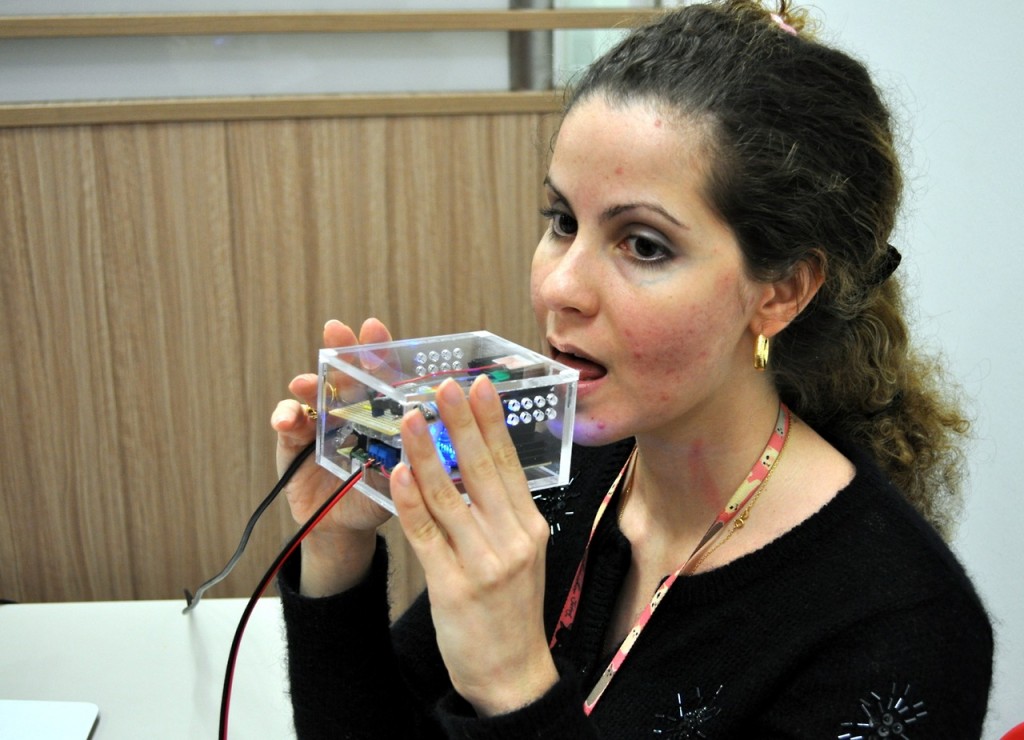
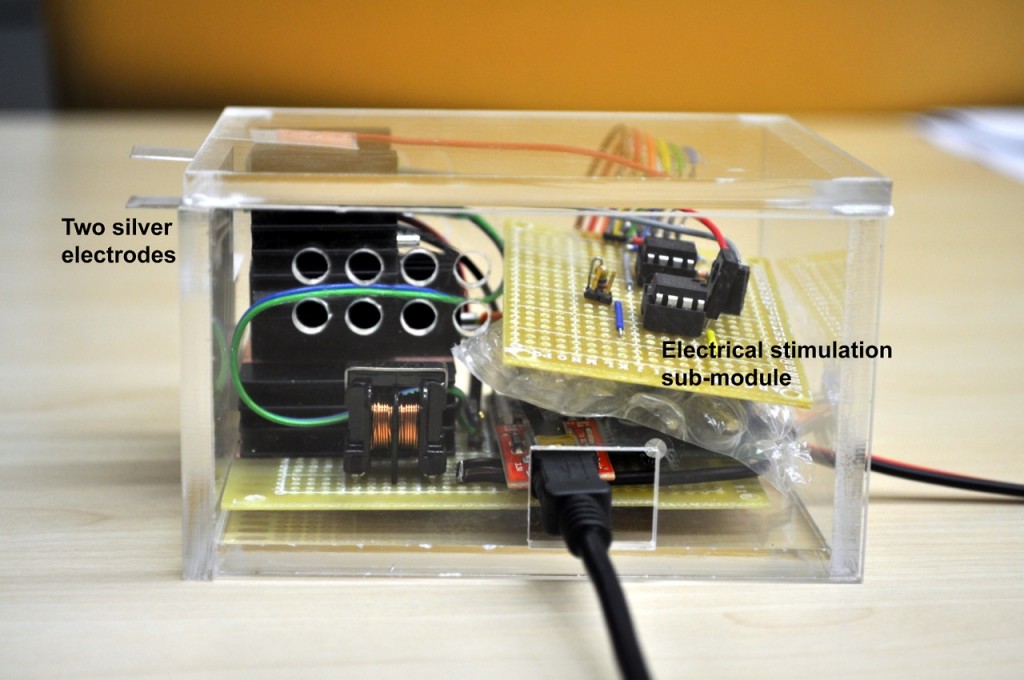
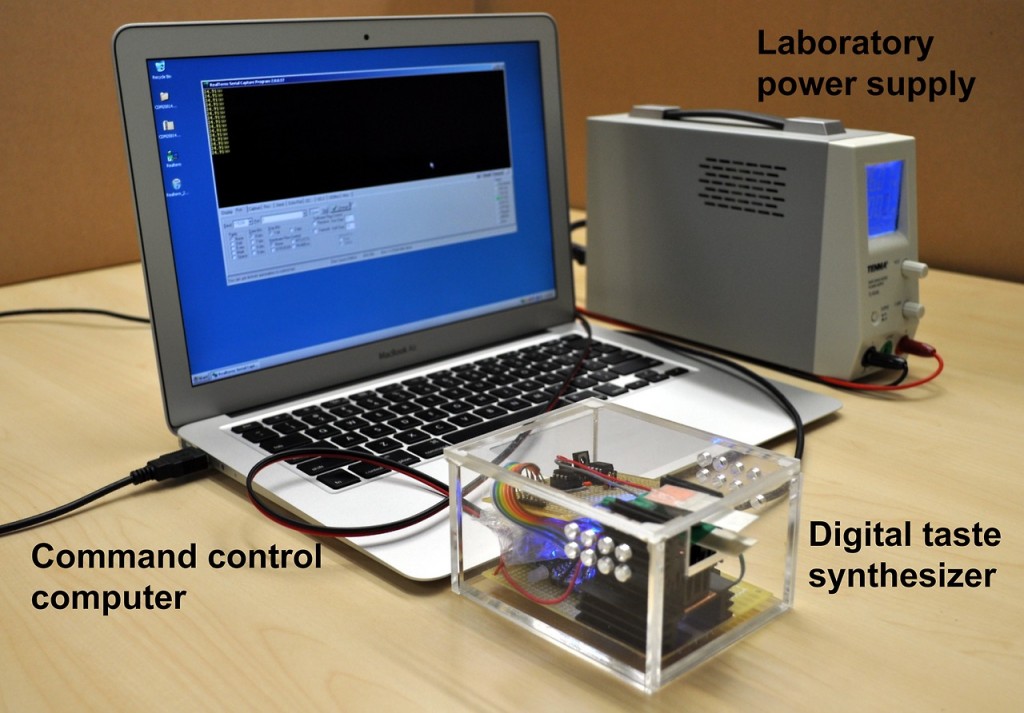
Latest version our Electric Taste Machine system by Nimesha Ranasinghe, Keio-NUS CUTE Center.


On the 17th of May we will organize the next TEDxBarcelona event with live speakers presenting great ideas. The theme will be: The future of technology and society.
It will take place at CosmoCaixa in Barcelona from 14:00 until 20:00. Most of the talks will be presented in english.

Latest issue of our journal is published.
Editors in Chief: Zhigeng Pan, Adrian David Cheok, Wolfgang Mueller
This special issue consists of two parts: the first one features original research papers on interactive digital storytelling in the applied context of edutainment; the second part contains a selection of revised and expanded best papers from the 4th eLearning Baltics (eLBa 2011) conference. The papers on digital storytelling have been split into sections on theory, technology, and case studies; the eLBA 2011 conference papers deal with technology and applications, case studies and mobile applications, and game-based learning and social media.